

Key Takeaways
- Myopia, or nearsightedness, makes distance vision blurry while close-up vision stays clear.
- Myopia cannot be reversed, and glasses, contacts, and surgery correct vision rather than the underlying change.
- Myopia control aims to slow how fast your child’s myopia progresses.
- Options can include low-dose atropine drops, myopia control glasses, soft daily contacts, and ortho-k.
- Around two hours outdoors daily, screen breaks, and good lighting support your child’s eyes.
- Yearly eye exams help track prescription changes over time.
Why Parents Ask This Question
Your child comes home from an appointment at Markham Eye Associates with a new prescription, and the number has changed again since last year. It’s a normal moment to pause and wonder whether any of this can be undone.
Myopia cannot be reversed, but it can be managed, and slowing how quickly it progresses is a realistic goal for many children. Knowing what’s possible helps you make calm, practical choices instead of chasing quick fixes.
What Myopia Means for Your Child’s Vision
Myopia is the clinical word for nearsightedness. Distance looks blurry, so the whiteboard or a road sign turns fuzzy. A book or tablet held close still looks sharp.
Myopia often shows up during the school years, and the prescription can shift over time. That’s why changes between one appointment and the next are worth tracking rather than ignoring.
Signs Your Child Might Be Nearsighted
Kids rarely announce that things look blurry. They adapt instead, and you notice the habits before they notice the problem.
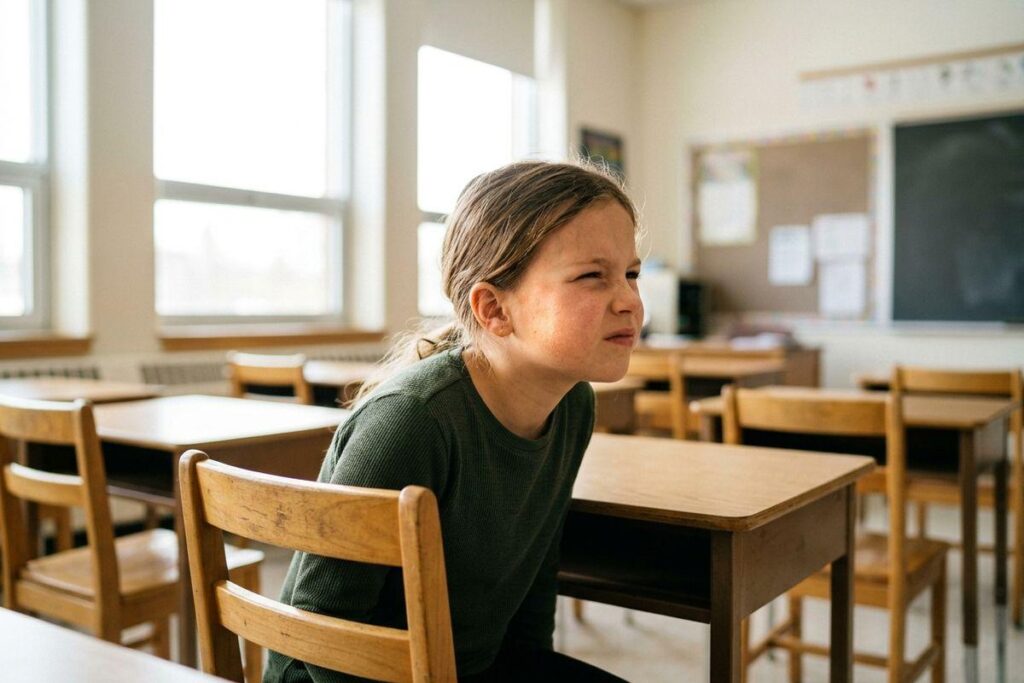
- Squinting at the classroom board or the TV across the room
- Headaches or tired eyes after reading or homework
- Sitting very close to screens or holding a tablet near the face
Why Myopia Can’t Be Reversed Right Now
Myopia is linked to how the eye grows, and that growth can’t be undone. No treatment currently available turns the eye back to how it was before.
Glasses, contact lenses, and laser surgery all correct blurry distance vision. They help your child see clearly, though they don’t change what’s happening underneath.
Orthokeratology, often called ortho-k, uses lenses worn overnight to reshape the front of the eye. The effect is temporary. Once your child stops wearing them, it fades.
Common Myths About Myopia
Eye exercises, pressing on the eyes, and vitamin claims get shared often online. None of them reverse myopia. Pressing or rubbing the eyes can be harmful.
You may also see a lower number on one visit than the last. That can simply reflect differences in how the measurement was taken, not an improvement.
What Myopia Control Can Do Instead
Myopia control has a specific goal. The aim is to slow how fast myopia progresses during the growing years. A slower rate of change can help lower the risk of eye problems later in life.
Our optometrist in Markham can walk you through which options suit your child’s age, prescription, and daily routine. Not every approach fits every child, and that’s a normal part of the conversation.

Options Used With Children
- Low-dose atropine eye drops are used at bedtime.
- Myopia control glasses often suit younger kids.
- Soft daily contact lenses or ortho-k lenses worn overnight work for some children.
Daily Habits That Support Your Child’s Eyes
Outdoor time matters. Aiming for around two hours outside each day is a simple target, whether that’s a walk to the park, soccer practice, or homework on the back porch.
Screen breaks help too, along with keeping devices at a longer viewing distance instead of tucked under the nose. Good lighting over the desk during reading and homework makes those stretches easier on the eyes.
Questions Parents Often Ask
Kids don’t usually grow out of myopia. The prescription tends to shift through the school years. It often settles down as growth slows in the late teens or early twenties.
Family history plays a role as well. If one or both parents are nearsighted, it’s worth mentioning that at your child’s appointment.
When to Book an Eye Exam in Markham
Early checkups help catch changes sooner, before your child has spent a full school year squinting at the board. Yearly exams then track prescription shifts so you can see the pattern instead of guessing.
Evening and Saturday appointments are available, which helps when weekdays are already full of work, school, and driving between the two.
What Happens at a Myopia Visit
The visit starts with a check of your child’s vision and eye health. From there, you can talk through control options with one of our eye doctors in Markham and decide what fits your family.
You can leave with a follow-up plan so progress gets tracked over time rather than measured once and forgotten.
We offer exams in English, Mandarin, and Vietnamese, and our team is happy to answer your questions about myopia management. Call to book your child’s eye exam, including evening and Saturday times.