

Key Takeaways
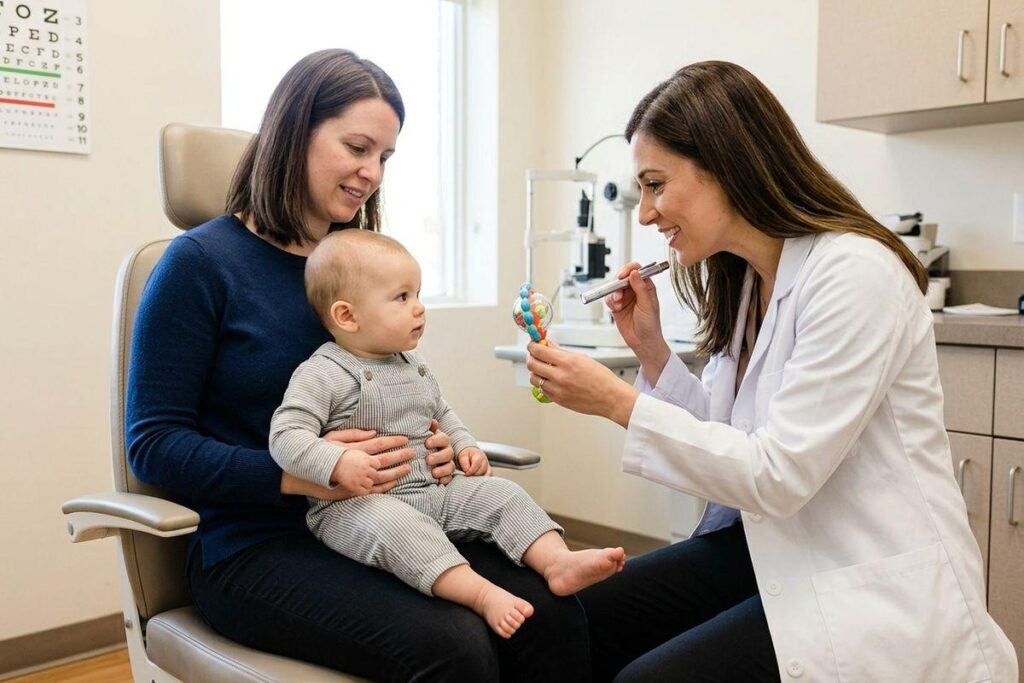
- A first eye exam is recommended between 6 and 12 months of age.
- A follow-up exam before kindergarten helps get your child ready for the classroom.
- Yearly checkups are advisable once school begins.
- Squinting, eye rubbing, head tilting, and sitting close to screens can signal a vision problem.
- Eye exams for young children don’t require them to be able to read or talk.
- Evening and Saturday appointments are available in English, Mandarin, and Vietnamese.
Why Children’s Eye Exams Start Earlier Than You Might Expect
Your baby can’t tell you the world looks blurry. A toddler who bumps into the coffee table or sits with their nose almost touching a picture book isn’t complaining. They’re just doing what feels normal to them. That’s why our team at Markham Eye Associates looks for vision problems that often go unnoticed at home.
Your child’s first eye exam should happen between 6 and 12 months of age, followed by another exam before kindergarten and yearly checkups once school starts.
The Recommended Age for a First Eye Exam
A child’s first visit should be between 6 and 12 months of age, often around the same time as other standard health checkups. The next appointment should come before kindergarten begins and helps ensure that your child’s vision is progressing normally. Once they start with school, yearly appointments keep things on track.
Why Early Timing Matters
Vision skills develop quickly in the early years. Some concerns are easier to treat when they’re found early, which is a big part of why the first exam happens so young.
When Family History Changes the Timeline
Eye concerns often run in families. If you, your partner, or a close relative had eye issues as a child, mention it to your optometrist. They’ll let you know if your child might need a different timeline for checkups.
Signs Your Child May Have a Vision Problem
Kids rarely say “I can’t see well.” Instead, they adapt, and the clues show up in how they move, sit, and play. Watch for these behaviours:
- Squinting, eye rubbing, or blinking more than usual
- Tilting the head to one side or covering one eye
- Sitting very close to screens or holding books near the face
Signs in Babies and Toddlers
With little ones, watch how they connect with the world around them. Trouble following a moving toy or making eye contact can sometimes indicate vision problems. Other possible signs of concern include eyes that appear crossed or turned, bumping into furniture, or failing to notice small objects on the floor.
Signs in School-Age Kids
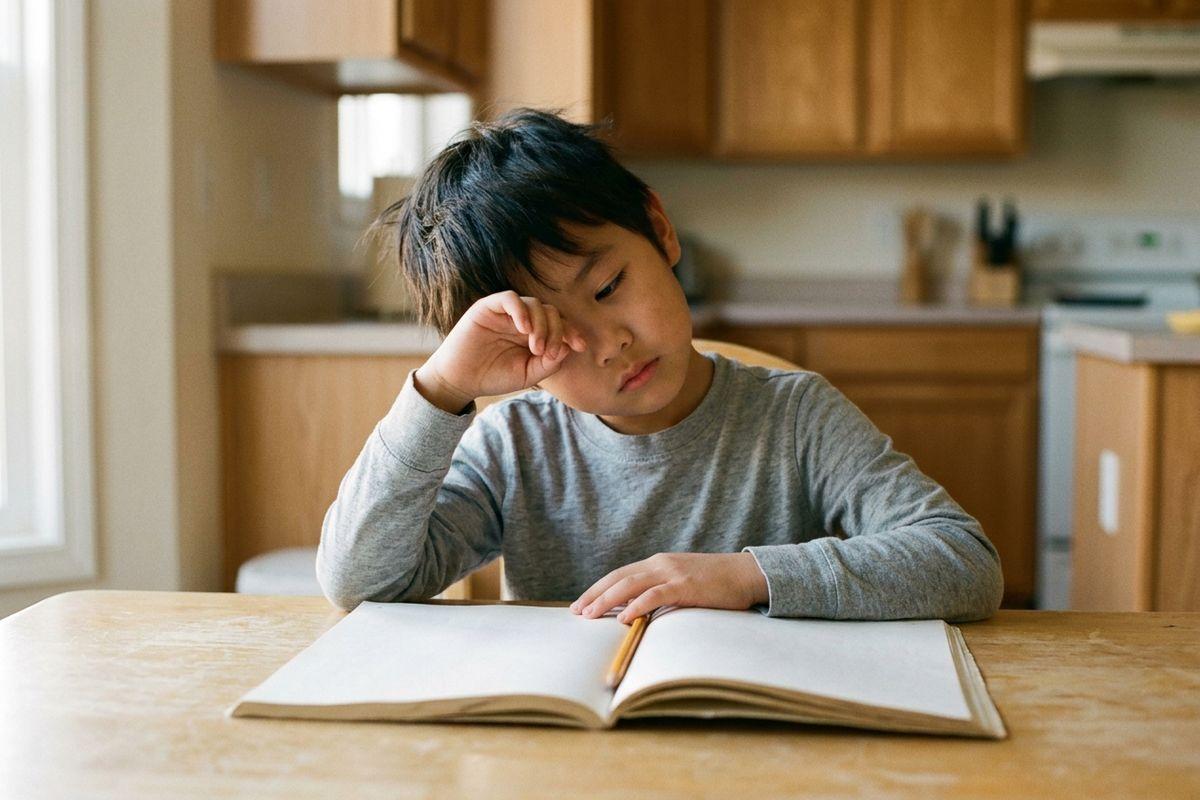
Many vision issues first rear their heads during homework. Headaches, tired eyes, and losing their place while reading are common clues that children are facing vision challenges. Some kids struggle with ball games and coordination, while others avoid reading altogether or lose interest in activities where they need to see across a distance.
Common Eye Conditions Found in Children
Nearsightedness, farsightedness, and astigmatism are the vision issues that most families know. However, many children also develop issues like lazy eye (medically known as amblyopia), crossed eyes (strabismus), or colour vision deficiency.
Myopia in Kids and Why It’s Watched
Myopia, or nearsightedness, means that distant objects appear blurry, while close-up things are unaffected. It’s a common condition in school-age children. Myopia management options are available here in Markham, and our eye doctors can walk you through what fits your child.
What Happens at a Child’s Eye Exam
For young children, eye doctors use lights, toys, and pictures instead of a letter chart. For older children, the appointment might be a bit more like you expect, though we try to make sure that these visits aren’t too long or too boring.
A children’s eye appointment covers eye health, focusing, how well their eyes work together, and colour vision.
How to Prepare Your Child
Book a time of day when your child is rested and fed. Children often feel more comfortable if you explain what’s going on, so it’s often worth explaining things in simple terms. Try something like, “The eye doctor is going to look at your eyes with a light and show you some pictures.” You don’t have to go in-depth.
How to Book With an Optometrist in Markham
Evening and Saturday appointments make it easier to fit an exam around work and school. We offer eye exams in English, Mandarin, and Vietnamese, so you and your child can ask questions in the language you’re comfortable with.
For a first visit, bring your child’s health card, any current glasses, and notes about family eye history or anything you’ve noticed at home.
Everyday Habits That Support Kids’ Eyes
Between appointments, a few simple habits help. Outdoor time and regular screen breaks are worth building into your child’s day. Sunglasses with full UV protection are actually important all year long.
Our team at Markham Eye Associates has been caring for local families since 1989, and children’s exams are a regular part of our week. Call to book your child’s eye exam today.