

Key Takeaways
- Myopia, or nearsightedness, makes faraway objects look blurry while close-up objects stay clear.
- It often starts in childhood and tends to progress fastest while kids are still growing.
- Many people’s prescriptions level off in their early 20s, though some adults still notice small changes.
- Myopia control can help slow progression in children, and adults have several ways to correct their vision.
- Regular eye exams help you track changes and look after your long-term eye health.
If you or your child wear glasses for distance vision, you’ve probably noticed the prescription creeping up from one visit to the next. That’s common with myopia, and how much it changes depends a lot on age.
Myopia usually gets worse through childhood and the teen years, then slows down or stops for most people in their early 20s, though some adults still see small changes later on. Knowing what’s typical at each stage can help you decide when it’s time for an eye exam with the team at Markham Eye Associates.
What Myopia Means for Your Vision
Myopia is the clinical term for nearsightedness. It usually develops when the eyeball grows a little too long from front to back, so light focuses in front of the retina instead of on it.
The result is blurry distance vision, while anything up close stays sharp. About 30% of people have myopia, and it often shows up in childhood, sometimes as early as age 6 or 7.
Signs of Myopia in Children
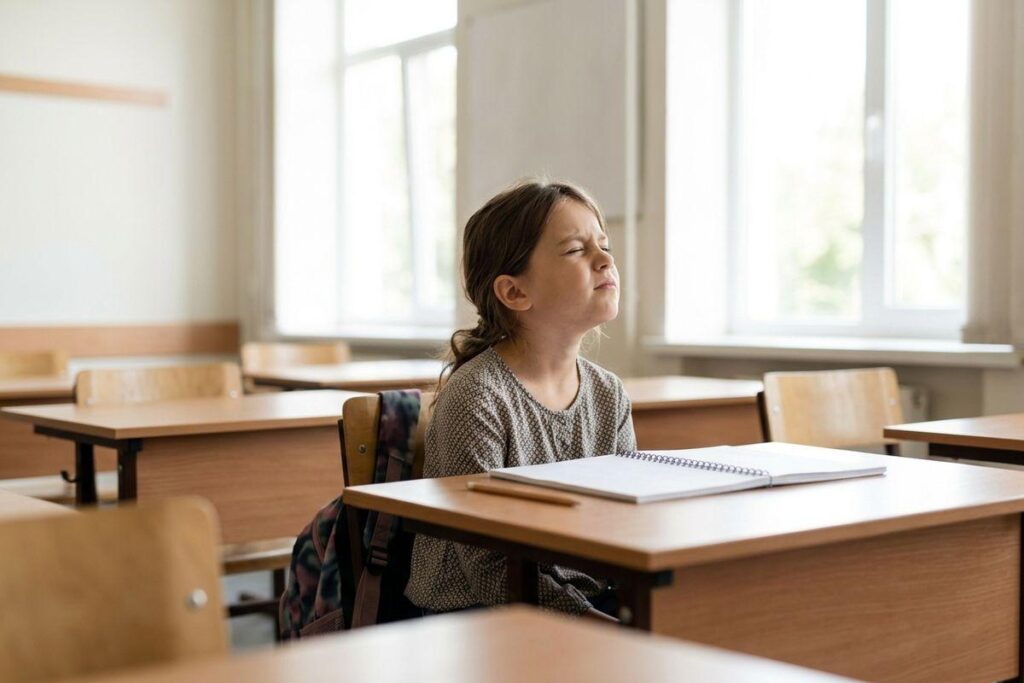
Kids rarely say their distance vision is blurry because they assume everyone sees the same way. Watch for these clues instead:
- Squinting to see faraway objects
- Headaches after school
- Trouble reading the whiteboard or road signs
- Sitting close to the TV
- Holding a tablet near the face
These are the kinds of clues an optometrist looks for during children’s eye exams.
How Myopia Changes as You Get Older
Prescriptions tend to climb fastest while children are growing, because their eyes are still growing too. That’s why a child’s glasses can feel out of date in less than a year, while an adult’s pair often lasts much longer.
Myopia can keep progressing until about age 21, and many people find their prescription levels off in their early 20s. Some adults still notice gradual changes after that, so regular checkups stay useful well past your school years.
Myopia After 40
Once you pass 40, a change in your vision may come from something other than your myopia. Presbyopia, the age-related change in near focus, can arrive around this time. Cataracts can also affect how you see.
Both can make your current glasses feel less effective, even if your myopia hasn’t changed at all. Book a visit, and your optometrist can determine which change is responsible and adjust your prescription.
Why Myopia Sometimes Worsens
Family history plays a big role. If one or both parents are nearsighted, their child has a higher chance of developing myopia and may see it progress faster.
Long stretches of near work matter as well. Homework, reading, and hours on screens all keep the eyes focused up close for extended periods. Less time spent outdoors during childhood is another factor linked to myopia progression.
None of this means screens are the villain. It’s more about balance across a day.
Can Myopia Be Fixed Naturally?
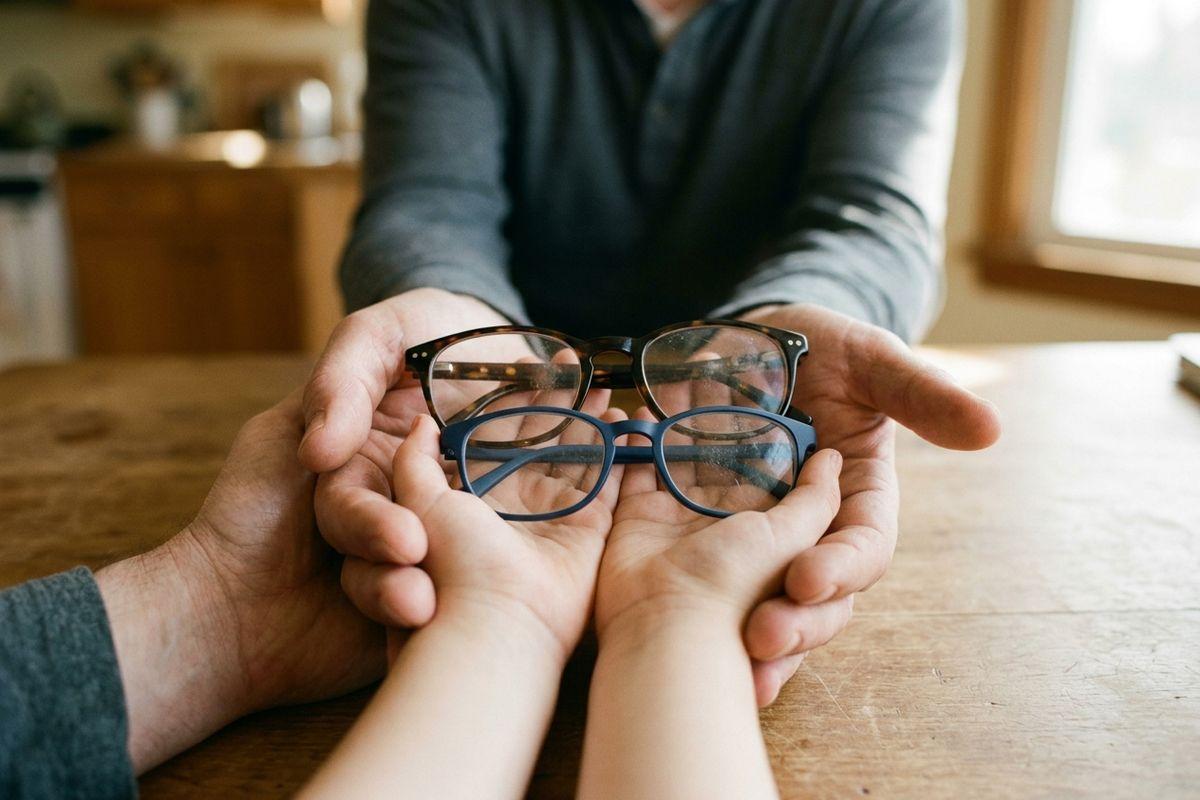
Myopia can’t be undone, and waiting it out isn’t an answer either. You may have heard that kids outgrow nearsightedness. They don’t. Prescriptions typically move in 1 direction through the growing years, then level off.
This matters because higher prescriptions are linked to greater eye health risks later in life. Slowing the change while a child is still growing is the reason myopia management exists.
Myopia Treatment Options for Kids and Adults
The right approach depends on age. Children can still benefit from slowing progression, while adults usually focus on clear, comfortable vision.
Myopia Control for Children
Myopia control has become more common over the past several years. Your optometrist may suggest one of these options to help slow how quickly your child’s prescription changes:
- Myopia control glasses
- Specialty soft contact lenses
- Orthokeratology (ortho-k) lenses worn overnight
- Low-dose atropine eye drops
Which option makes sense depends on your child’s age and routine. Start myopia control early, while your child’s eyes are still growing, to give it more time to work.
Options for Adults
Glasses and contact lenses remain the everyday choice for most adults. Ortho-k lenses, worn overnight, are another option worth asking about.
If your prescription has stayed stable for a while, ask about laser eye surgery. It can reduce your need for glasses, but it doesn’t remove the eye health risks that come with myopia, so keep up with your regular exams.
Why Yearly Eye Exams Matter
Regular exams let your optometrist spot prescription changes early, before your child starts struggling to read the board at school. Each visit also includes a full check of your eye health, which matters more as you age or if you’re living with diabetes.
Evening and Saturday appointments are available, so a checkup doesn’t have to cost you a workday or pull a child out of class.
Book a Myopia Exam for Your Family
Whether your child’s prescription keeps climbing or your own glasses don’t feel right lately, an eye exam can help you understand what’s changing and why.
At Markham Eye Associates, we can measure how much your prescription has changed since your last visit and explain what’s driving it. For kids whose myopia is still progressing, that visit is also a chance to talk through myopia control before their prescription climbs further. Book an appointment and stay on top of how your family’s myopia changes over time.